Osteoporosis is a bone condition that reduces bone strength and increases the risk of fractures. It often develops gradually without noticeable symptoms, which means many people discover the condition only after experiencing a fracture following a minor fall or everyday activity. Understanding the risk factors and seeking timely medical advice can help people protect their bone health.
An Endocrinologist in Bhopal can assess whether hormonal changes, nutritional deficiencies, certain medications, or underlying medical conditions may be contributing to bone loss. Early evaluation can help determine whether bone density testing, lifestyle changes, or medical treatment may be appropriate.
Dr. Sailesh Kumar Bansiwal can help patients understand the relationship between endocrine health and bone metabolism. The right treatment depends on the patient’s bone density, age, medical history, fracture risk, and overall health.
This article explains osteoporosis symptoms, causes, diagnostic tests, treatment options, and preventive measures in simple language so patients can make informed decisions about their bone health.
What Is Osteoporosis?
Osteoporosis is a condition in which bones become weaker and more likely to break. Healthy bones constantly undergo a process of removing old tissue and forming new tissue. When bone breakdown happens faster than bone formation, bone density may gradually decline.
An Endocrinologist in Bhopal may evaluate bone loss when a patient has risk factors such as hormonal disorders, early menopause, or certain metabolic conditions. Although osteoporosis is more common in older adults, it can also occur in younger people with particular medical conditions or medication-related risks.
The condition commonly affects the hip, spine, and wrist. Spinal fractures may cause back pain, reduced height, or a stooped posture. However, osteoporosis may remain undetected for years because bone loss itself does not usually cause pain.
Early assessment is important because identifying osteoporosis before a serious fracture occurs can help guide appropriate treatment and fall-prevention measures.
What Causes Osteoporosis?
Osteoporosis develops due to a combination of factors that affect bone formation, bone breakdown, or the body’s ability to maintain healthy bone tissue. Osteoporosis Treatment in Bhopal may include identifying and addressing contributing factors alongside protecting bone strength.
1. Hormonal Changes and Osteoporosis
Hormones play a major role in maintaining bone health. Oestrogen helps protect bones, and its decline after menopause can accelerate bone loss. Low testosterone levels in men may also contribute to reduced bone density.
Thyroid and parathyroid disorders can affect the way the body regulates calcium and bone metabolism. An Endocrinologist in Bhopal can assess whether an endocrine disorder may be contributing to osteoporosis and recommend appropriate investigations based on the patient’s symptoms and medical history.
2. Calcium and Vitamin D Deficiency
Calcium is an essential component of bones, while vitamin D helps the body absorb calcium. Inadequate intake, poor absorption, limited sunlight exposure, or certain medical conditions can contribute to deficiencies that affect bone health.
However, not everyone with low vitamin D has osteoporosis. A medical professional considers the full clinical picture, including risk factors and test results, before making a diagnosis or recommending supplements.
3. Age, Family History, and Bone Density
Bone density generally reaches its peak in early adulthood and may decline with age. A family history of osteoporosis or hip fractures can increase a person’s risk. People who have experienced a fracture after a minor fall should discuss their bone health with a healthcare professional. Such fractures may indicate underlying bone weakness and may warrant a bone density assessment.
4. Lifestyle Factors
Smoking, excessive alcohol consumption, inadequate nutrition, and low physical activity can negatively affect bone health. Prolonged inactivity may also contribute to reduced bone strength and muscle weakness.
Regular weight-bearing activity, a balanced diet, and suitable strength exercises can support bone health. However, lifestyle measures alone may not be enough for people with established osteoporosis or a high risk of fractures.
5. Medical Conditions and Medicines
Some digestive disorders, kidney conditions, inflammatory diseases, and endocrine disorders can affect bone metabolism. Long-term use of certain medicines, particularly glucocorticoids such as prednisolone, may also increase fracture risk.
Patients should not stop prescribed medication independently. Their doctor can review potential risks and discuss appropriate alternatives or protective strategies when needed.
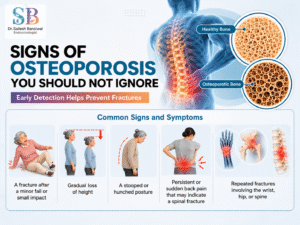
What Are the Early Symptoms of Osteoporosis?
Osteoporosis is often described as a silent condition because it may not cause obvious symptoms until a fracture occurs. Osteoporosis Treatment in Bhopal may be considered after a medical assessment when symptoms, risk factors, or diagnostic findings indicate that treatment is needed.
Common Signs to Watch For
- A fracture after a minor fall or small impact
- Gradual loss of height
- A stooped or hunched posture
- Persistent or sudden back pain that may indicate a spinal fracture
- Repeated fractures involving the wrist, hip, or spine
These signs do not always mean a person has osteoporosis. Back pain, for example, can result from several conditions. However, sudden or severe back pain, especially in someone with known bone loss, should be assessed promptly.
An Endocrinologist in Bhopal may recommend bone density testing when a patient’s history or risk factors suggest that further evaluation is appropriate.
People without symptoms may also benefit from screening if they meet relevant age-based or risk-based criteria. Early assessment can help identify bone loss before it causes a serious fracture.
How Is Osteoporosis Diagnosed?
Osteoporosis diagnosis involves reviewing medical history, assessing fracture risk, and selecting suitable investigations. An Osteoporosis Specialist in Bhopal may consider factors such as age, menopause, previous fractures, family history, nutritional intake, medications, and existing medical conditions when evaluating bone health.
Bone Mineral Density Test
A dual-energy X-ray absorptiometry scan, commonly called a DXA or DEXA scan, is widely used to measure bone mineral density. The scan commonly examines the hip and lumbar spine. For postmenopausal women and men aged 50 or older, a T-score of −2.5 or lower at an accepted diagnostic site is commonly used as a threshold for osteoporosis. Results must be interpreted according to the patient’s age, clinical circumstances, and appropriate diagnostic criteria. The test is painless and usually takes only a short time. A healthcare professional uses the findings alongside other risk factors to determine whether treatment or further investigations may be needed.
Blood Tests and Other Investigations
Blood tests may help identify conditions contributing to bone loss. Depending on the patient’s circumstances, tests may include calcium, vitamin D, kidney function, thyroid function, and other selected investigations. A fracture-risk assessment may also help estimate the likelihood of a major osteoporotic fracture over a defined period. These investigations allow the doctor to distinguish primary osteoporosis from bone loss related to another condition.
What Are the Treatment Options for Osteoporosis?
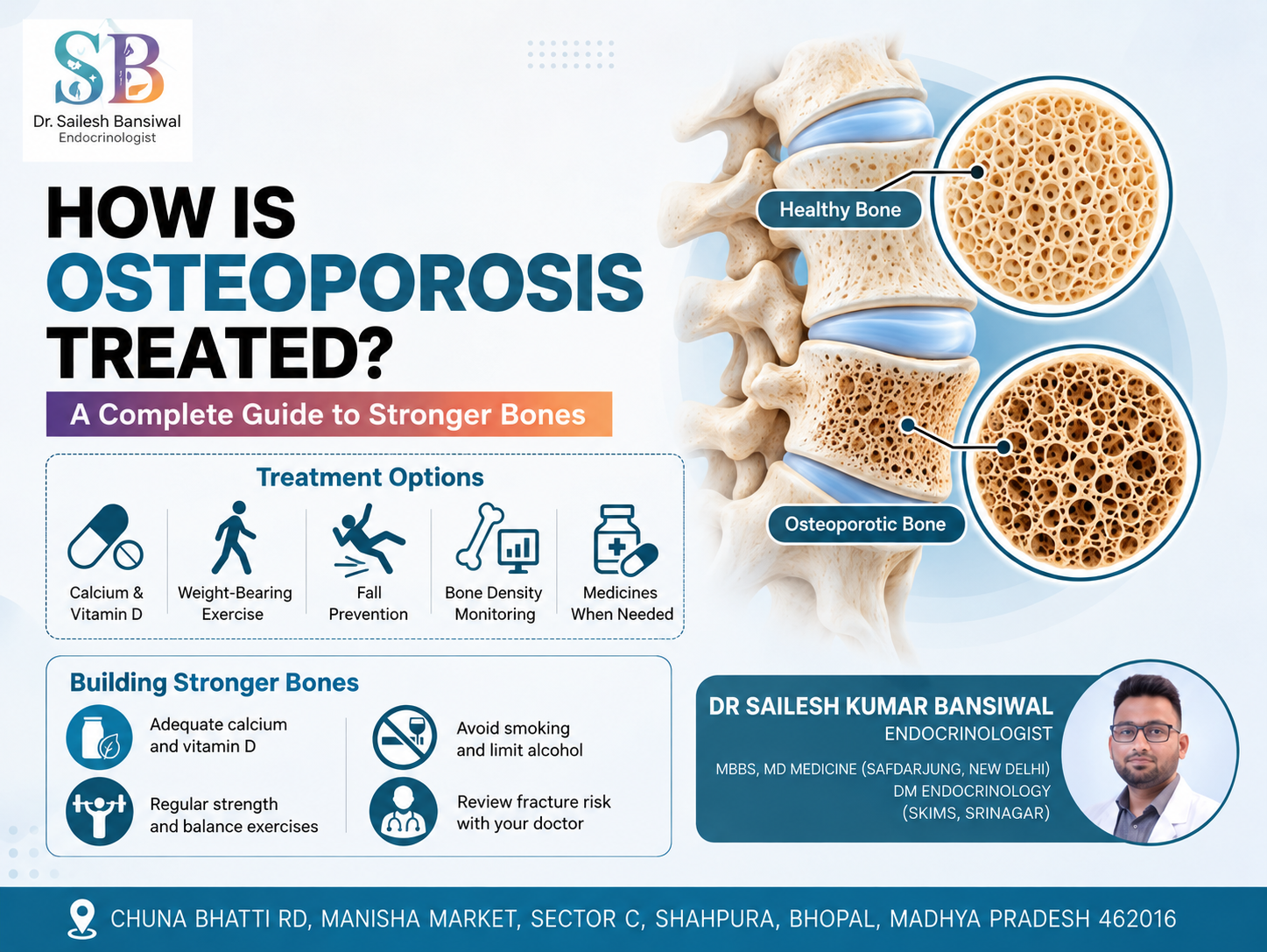
Osteoporosis Treatment in Bhopal may involve prescription medicines, nutritional support, exercise, fall prevention, and management of underlying health conditions. The treatment plan depends on bone density, fracture history, age, other medical conditions, and individual risk. The main goal is to reduce the risk of fractures, preserve mobility, and support long-term bone health. Treatment may not restore bones completely to their previous condition, but appropriate management can help reduce further bone loss and lower fracture risk.
1. Medicines That Reduce Bone Loss
Bisphosphonates are commonly prescribed for people who need medication to reduce fracture risk. Depending on the specific medicine, they may be taken orally or administered intravenously. These medicines reduce the activity of cells that break down bone. The choice depends on factors such as kidney function, digestive health, fracture history, and the patient’s ability to follow the treatment instructions. Other medicines, including denosumab, may be appropriate for selected patients. Denosumab should not be delayed or stopped without a planned transition to another treatment when indicated, because discontinuation can lead to rapid bone loss and an increased risk of spinal fractures. Medication selection requires a review of potential benefits, side effects, precautions, and individual medical needs.
2. Medicines That Help Build Bone
People with very high fracture risk or certain severe forms of osteoporosis may be considered for bone-forming medicines. Examples include teriparatide, abaloparatide, and romosozumab, depending on availability, eligibility, and clinical guidance. These medicines are not suitable for everyone and require careful assessment. Some treatments must be followed by another osteoporosis medicine to help maintain the benefits achieved. Dr. Sailesh Kumar Bansiwal can help patients understand why treatment decisions should consider bone density, previous fractures, associated medical conditions, and other individual factors.
3. Calcium and Vitamin D Support
Calcium and vitamin D are important components of bone health management. Calcium-rich foods include milk, curd, paneer, calcium-fortified products, calcium-set tofu, and suitable fortified plant-based drinks. Vitamin D helps the body absorb calcium. If testing or clinical assessment identifies a deficiency, a doctor may recommend an appropriate supplement and dose. Taking excessive amounts of supplements is not necessarily beneficial and may cause problems in some individuals. Supplementation should be based on dietary intake, test results, medical history, and professional advice.
4. Treating Underlying Medical Conditions
When osteoporosis is associated with an underlying condition, managing that condition may form an important part of care. Examples include selected thyroid disorders, parathyroid problems, nutritional deficiencies, and conditions that interfere with nutrient absorption. Medicines that contribute to bone loss may also need review. Patients should not discontinue steroids or other prescribed treatments abruptly without medical guidance. An Endocrinologist in Bhopal can evaluate whether a hormonal or metabolic disorder may be affecting bone density and help determine the next steps in management.
5. Follow-Up and Monitoring
Osteoporosis management often requires long-term follow-up. Depending on the treatment, the doctor may review symptoms, medication tolerance, adherence, dietary intake, and fracture risk. Repeat bone density testing may be recommended at an appropriate interval to monitor changes. The timing depends on the patient’s risk level, treatment, and clinical progress. Regular follow-up also gives patients an opportunity to discuss side effects, new symptoms, falls, and difficulties following their treatment plan.
Can Osteoporosis Be Prevented?
Not every case of osteoporosis can be prevented, particularly when ageing, hormonal changes, or inherited factors play a role. However, healthy habits can support bone development and help reduce avoidable risks. An Osteoporosis Specialist in Bhopal can help people with increased risk understand whether screening or preventive measures may be appropriate.
Eat a Balanced, Bone-Friendly Diet
A balanced diet should provide adequate protein, calcium, vitamin D, and other essential nutrients. Vegetarian calcium sources include dairy products, calcium-set tofu, fortified plant-based drinks, and certain green vegetables. Protein also supports muscle strength and physical function. People who struggle to maintain a balanced diet may benefit from discussing their nutritional needs with a healthcare professional.
Stay Physically Active
Weight-bearing activities, such as walking, and resistance exercises can support bone and muscle health. Balance exercises may also help reduce the risk of falls. The right exercise routine depends on fitness, bone health, and fracture risk. People with severe osteoporosis or previous spinal fractures should seek professional advice before starting high-impact activities or exercises involving repeated bending and twisting.
Avoid Smoking and Excessive Alcohol
Smoking and excessive alcohol consumption can negatively affect bone health. Avoiding smoking and limiting alcohol can be part of a broader strategy to protect bones and maintain general health.
Reduce the Risk of Falls
Falls are a major cause of fractures, particularly among older adults. Helpful measures include improving home lighting, removing loose rugs, wearing suitable footwear, keeping frequently used items within easy reach, and installing grab bars where needed. Vision checks, balance assessment, and reviewing medicines that may cause dizziness can also help reduce falls in people at risk.
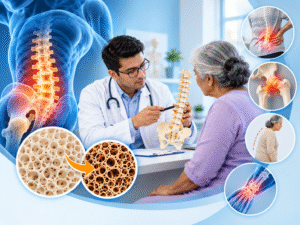
Who Should Consult an Osteoporosis Specialist?
An Osteoporosis Specialist in Bhopal may be helpful for people with a previous fragility fracture, significantly reduced bone density, multiple risk factors, or suspected osteoporosis related to a hormonal or metabolic condition. Assessment may also be appropriate for postmenopausal women with additional risk factors, older adults, people taking long-term glucocorticoids, and individuals with medical conditions that affect bone health. A consultation can help determine whether a DXA scan, laboratory testing, medication, or lifestyle changes are appropriate.
Dr. Sailesh Kumar Bansiwal can help patients understand the role of endocrine health in bone metabolism and why unexplained bone loss deserves medical evaluation. Treatment recommendations differ according to each person’s medical history, test results, and fracture risk. For example, someone who has already experienced a hip fracture may require a different treatment strategy from a person with mildly reduced bone density and no previous fracture.
Why Is Early Assessment Important?
Early assessment can help identify bone loss before a fracture causes pain, reduced mobility, or loss of independence. It also allows patients to address nutritional deficiencies, review risk factors, and discuss suitable treatment options.
An Endocrinologist in Bhopal can assess whether hormonal health or an underlying medical condition may be contributing to bone loss and whether further investigations are needed.
People who experience sudden loss of height, an unexplained fracture, or new severe back pain should seek medical evaluation. Sudden severe pain after a fall, inability to bear weight, or suspected hip fracture requires urgent medical assessment.
Dr. Sailesh Kumar Bansiwal can help patients understand the importance of bone health assessment, appropriate screening, and ongoing monitoring. Seeking medical advice early can support informed decisions about treatment and fracture prevention.
Frequently Asked Questions About Osteoporosis
1. Can osteoporosis be treated successfully?
Osteoporosis can often be managed with appropriate medication, sufficient nutrition, suitable physical activity, and measures to prevent falls. Treatment can reduce fracture risk, although results vary between individuals. An Endocrinologist in Bhopal can help determine an appropriate approach based on medical history and test results.
2. Is osteoporosis painful?
Osteoporosis itself usually does not cause pain in its early stages. Pain may develop when a fracture occurs, particularly in the spine, hip, or wrist. Persistent or sudden severe pain should be assessed rather than automatically attributed to osteoporosis.
3. Which test detects osteoporosis?
A DXA or DEXA scan is commonly used to measure bone mineral density at the hip and spine. A doctor may also recommend blood tests or other investigations to identify conditions that contribute to bone loss.
4. Can osteoporosis occur before menopause?
Yes. Although the risk often increases after menopause, osteoporosis can occur earlier because of certain medical conditions, medications, nutritional problems, or other risk factors. Anyone concerned about early bone loss should seek an appropriate medical assessment.
5. Is calcium enough to treat osteoporosis?
Calcium is essential for bone health, but calcium supplements alone are generally not enough to treat established osteoporosis in someone at high fracture risk. Treatment may require prescription medication, vitamin D support when indicated, exercise, and fall prevention.
6. When should someone seek an osteoporosis assessment?
People with a fracture after a minor fall, substantial height loss, long-term steroid use, or multiple osteoporosis risk factors should discuss assessment with a healthcare professional. An Osteoporosis Specialist in Bhopal can help determine whether bone density testing or further investigations are appropriate.
7. Can exercise help people with osteoporosis?
Suitable weight-bearing, resistance, and balance exercises can support muscle strength, physical function, and fall prevention. The routine should match the person’s bone health and fracture risk. People with severe osteoporosis should seek professional guidance before starting strenuous or high-impact exercise.
8. Does osteoporosis only affect women?
No. Osteoporosis can affect both men and women. Ageing, hormonal changes, medications, nutritional deficiencies, and certain medical conditions can contribute to bone loss in either sex.
Conclusion: Take Steps Towards Better Bone Health
Osteoporosis can develop gradually without noticeable symptoms, but early recognition and appropriate management can help reduce fracture risk and support mobility. Understanding risk factors, maintaining a balanced diet, staying active safely, and attending recommended follow-up appointments are important parts of long-term bone health.
Osteoporosis Treatment in Bhopal should be guided by an individual assessment rather than a one-size-fits-all approach. Bone density results, fracture history, hormonal health, nutritional status, and other medical conditions all influence treatment decisions.
Dr. Sailesh Kumar Bansiwal can help patients understand the connection between endocrine health and bone strength and why unexplained bone loss should be discussed with a medical professional.
If you are concerned about osteoporosis, previous fractures, or factors that may affect bone density, seek medical advice to understand which tests and treatment options may be appropriate for you.