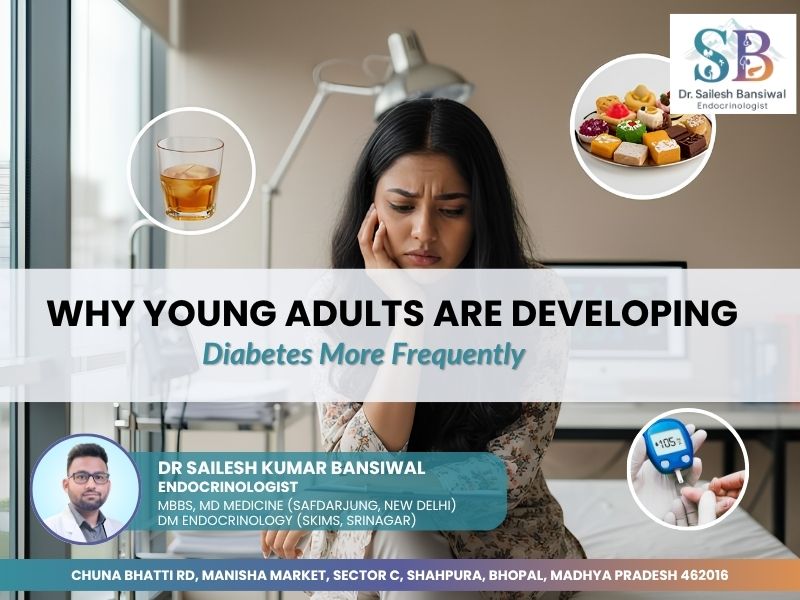
Diabetes is no longer a health condition seen only in older adults. In recent years, doctors have noticed a significant increase in diabetes cases among people in their 20s and 30s. Many young adults are being diagnosed with Type 2 diabetes due to changing lifestyles, unhealthy eating habits, stress, and reduced physical activity.
The growing number of diabetes cases is becoming a major health concern. Many people ignore the early warning signs because they believe diabetes only affects older individuals. However, early diagnosis and proper care can help prevent serious complications.
According to Dr. Sailesh Bansiwal, one of the leading specialists providing Diabetes Treatment in Bhopal, lifestyle changes over the past decade have played a major role in this increase. Long working hours, unhealthy food choices, stress, lack of exercise, and poor sleep habits are all contributing to the rising number of diabetes cases among younger individuals.
Many people searching for the Best Endocrinologist in Bhopal are surprised to learn that diabetes can develop even at a young age. Understanding why this is happening can help individuals take preventive steps and protect their long-term health.
Why Are Young Adults Developing Diabetes More Frequently?
1. Sedentary Lifestyle
One of the biggest reasons for the increase in diabetes cases among young adults is reduced physical activity. Many people spend hours sitting at desks, using computers, attending online meetings, or scrolling through smartphones.
Physical activity helps the body use insulin efficiently. When activity levels decrease, insulin resistance can develop, increasing the risk of diabetes.
Dr. Sailesh Bansiwal often advises patients seeking Diabetes Treatment in Bhopal to include regular exercise in their daily routine. Even simple activities such as walking, cycling, or jogging can improve blood sugar control.
The Best Endocrinologist in Bhopal will often emphasize that movement is one of the most effective tools for preventing diabetes.
2. Unhealthy Eating Habits
Modern diets have changed significantly. Fast food, sugary beverages, processed snacks, and convenience meals have become common among young adults.
These foods are often high in calories, sugar, and unhealthy fats. Regular consumption can contribute to weight gain and insulin resistance.
According to Dr. Sailesh Bansiwal, many people requiring Diabetes Treatment in Bhopal have dietary patterns that increase their risk of developing diabetes. Replacing processed foods with fruits, vegetables, whole grains, and lean proteins can make a significant difference.
Many patients who visit the Best Endocrinologist in Bhopal are encouraged to make gradual dietary changes rather than follow extreme restrictions.
3. Rising Obesity Rates
Obesity is one of the strongest risk factors for Type 2 diabetes. Excess body fat, particularly around the abdomen, affects the body’s ability to use insulin effectively.
As obesity rates continue to rise among younger populations, diabetes cases are increasing as well.
Dr. Sailesh Bansiwal, known for providing Diabetes Treatment in Bhopal, often highlights the connection between obesity and diabetes. Maintaining a healthy weight through balanced nutrition and physical activity can significantly reduce risk.
Many individuals searching for the Best Endocrinologist in Bhopal seek guidance on weight management as part of diabetes prevention.
4. Chronic Stress
Stress has become a common part of modern life. Academic pressure, career challenges, financial concerns, and personal responsibilities can all contribute to chronic stress.
Stress hormones such as cortisol can increase blood sugar levels and affect insulin sensitivity.
According to Dr. Sailesh Bansiwal, stress management is an important part of Diabetes Treatment in Bhopal because emotional health and physical health are closely connected.
The Best Endocrinologist in Bhopal may recommend relaxation techniques such as meditation, deep breathing exercises, yoga, and regular physical activity to help manage stress.
5. Poor Sleep Habits
Many young adults stay awake late due to work, social media, entertainment, or academic commitments. Unfortunately, poor sleep can negatively affect metabolism and blood sugar regulation.
Studies suggest that inadequate sleep increases the risk of insulin resistance and weight gain.
Dr. Sailesh Bansiwal often discusses the importance of sleep with patients seeking Diabetes Treatment in Bhopal. A consistent sleep schedule can support healthy hormone function and reduce diabetes risk.
People consulting the Best Endocrinologist in Bhopal are frequently advised to prioritize sleep as part of a healthy lifestyle.

Early Symptoms of Diabetes Young Adults Should Not Ignore
Many young adults ignore the early signs of diabetes because the symptoms often develop gradually. Recognizing these warning signs early can help you seek timely medical attention and prevent complications. According to Dr. Sailesh Bansiwal, early diagnosis and proper Diabetes Treatment in Bhopal can make a significant difference in managing the condition effectively.
Common symptoms include:
Frequent Urination
One of the earliest signs of diabetes is needing to urinate more often than usual, especially during the night. When blood sugar levels become high, the kidneys try to remove the extra sugar through urine. This makes you visit the bathroom more frequently.
Dr. Sailesh Bansiwal often advises patients seeking Diabetes Treatment in Bhopal not to ignore this symptom, especially if it continues for several weeks.
Increased Thirst
Because frequent urination causes the body to lose more water, you may feel thirsty all the time. Even after drinking water, the feeling of thirst may not go away completely.
Many people who later require Diabetes Treatment in Bhopal report excessive thirst as one of their earliest symptoms. The Best Endocrinologist in Bhopal may recommend blood sugar testing if this symptom is persistent.
Constant Fatigue
Do you feel tired even after getting enough rest? Diabetes can prevent your body from using sugar properly for energy. As a result, you may feel weak, exhausted, or low on energy throughout the day.
According to Dr. Sailesh Bansiwal, unexplained tiredness is a common reason why young adults seek Diabetes Treatment in Bhopal.
Unexplained Weight Loss
Losing weight without dieting or exercising may be an early sign of diabetes. When the body cannot use glucose for energy, it starts breaking down fat and muscle, leading to weight loss.
If you notice sudden weight loss, Dr. Sailesh Bansiwal, known for providing Diabetes Treatment in Bhopal, recommends getting your blood sugar levels checked.
Increased Hunger
Many people with diabetes feel hungry more often than usual, even after eating regular meals. This happens because the body’s cells are not getting enough energy from glucose.
The Best Endocrinologist in Bhopal often explains that constant hunger combined with fatigue or weight loss should not be ignored.
Blurred Vision
High blood sugar levels can affect the eyes and cause blurred or unclear vision. You may find it difficult to focus on objects or notice that your eyesight changes throughout the day.
Patients visiting Dr. Sailesh Bansiwal for Diabetes Treatment in Bhopal are often surprised to learn that vision problems can sometimes be linked to diabetes.
Slow Healing of Cuts and Wounds
If small cuts, scratches, or wounds take longer than usual to heal, it could be a sign of high blood sugar. Diabetes can affect blood circulation and slow down the body’s healing process.
The Best Endocrinologist in Bhopal may recommend diabetes screening if you frequently experience slow wound healing.
Tingling or Numbness in Hands and Feet
Some people with diabetes experience a tingling, burning, or numb feeling in their hands and feet. This can happen when high blood sugar starts affecting the nerves.
Dr. Sailesh Bansiwal advises individuals experiencing these symptoms to seek Diabetes Treatment in Bhopal early to help prevent further nerve-related problems.
Frequent Infections
People with diabetes may get infections more often because high blood sugar can weaken the immune system. Skin infections, gum infections, and urinary tract infections can sometimes be early warning signs.
Many patients consulting the Best Endocrinologist in Bhopal discover that repeated infections may be connected to uncontrolled blood sugar levels.
Dark Patches on the Skin
Dark, thick patches of skin around the neck, underarms, or groin area can be a sign of insulin resistance, which often develops before Type 2 diabetes.
According to Dr. Sailesh Bansiwal, identifying these changes early and starting appropriate Diabetes Treatment in Bhopal can help manage blood sugar levels more effectively.
Health Risks of Untreated Diabetes
Diabetes is not just about high blood sugar levels. If left untreated, it can affect many important organs in the body and lead to serious health problems over time. According to Dr. Sailesh Bansiwal, early diagnosis and proper Diabetes Treatment in Bhopal can help reduce the risk of complications and improve overall health. Many people delay treatment because they do not feel sick initially, but uncontrolled diabetes can silently damage the body for years.
Heart Disease and Stroke
People with uncontrolled diabetes have a higher risk of heart disease and stroke. High blood sugar can damage blood vessels and increase the chances of developing high blood pressure and cholesterol problems.
Dr. Sailesh Bansiwal often explains that managing blood sugar levels through timely Diabetes Treatment in Bhopal is important for maintaining heart health. Many patients visit the Best Endocrinologist in Bhopal to understand how diabetes affects their cardiovascular system.
Kidney Problems
The kidneys help filter waste and excess fluids from the blood. Over time, high blood sugar can damage the small blood vessels in the kidneys, affecting their ability to function properly.
If diabetes is not controlled, it may eventually lead to kidney disease. This is one reason why Dr. Sailesh Bansiwal encourages regular monitoring and early Diabetes Treatment in Bhopal to protect kidney health.
Nerve Damage
High blood sugar levels can damage nerves throughout the body. This condition is known as diabetic neuropathy. It often causes tingling, numbness, burning sensations, or pain in the hands and feet.
The Best Endocrinologist in Bhopal may recommend routine checkups to detect nerve damage early. Proper Diabetes Treatment in Bhopal can help reduce the risk of long-term nerve-related complications.
Eye Problems and Vision Loss
Diabetes can affect the tiny blood vessels in the eyes and increase the risk of vision problems. Some people may experience blurred vision, while others may develop more serious eye conditions if diabetes remains uncontrolled.
According to Dr. Sailesh Bansiwal, regular eye examinations are important for people with diabetes. Seeking Diabetes Treatment in Bhopal early can help protect eyesight and reduce the risk of vision-related complications.
Poor blood sugar control can increase the risk of diabetic eye disease and vision problems.
Increased Risk of Infections
High blood sugar can weaken the immune system, making it harder for the body to fight infections. As a result, people with uncontrolled diabetes may experience frequent skin infections, gum infections, or urinary tract infections.
Dr. Sailesh Bansiwal frequently reminds patients that proper Diabetes Treatment in Bhopal can help strengthen the body’s ability to fight infections and maintain overall health.
How Young Adults Can Reduce Their Risk of Diabetes
The good news is that many cases of Type 2 diabetes can be prevented or delayed through healthy lifestyle choices. Small daily habits can make a big difference in maintaining healthy blood sugar levels and improving overall well-being. According to Dr. Sailesh Bansiwal, adopting a healthier lifestyle at a young age can significantly reduce the chances of developing diabetes in the future. Along with timely Diabetes Treatment in Bhopal, prevention remains one of the most effective ways to protect long-term health.

Eat a Balanced Diet
What you eat plays a major role in controlling blood sugar levels. Consuming too many sugary drinks, processed foods, and fast foods can increase the risk of weight gain and insulin resistance.
Instead, focus on eating fruits, vegetables, whole grains, lean proteins, nuts, and healthy fats. A balanced diet provides the nutrients your body needs while helping maintain stable blood sugar levels.
Dr. Sailesh Bansiwal often advises patients seeking Diabetes Treatment in Bhopal to make gradual and sustainable dietary changes rather than following strict or temporary diets.
Stay Physically Active
Regular exercise helps the body use insulin more effectively and supports healthy blood sugar control. Physical activity also helps maintain a healthy weight and improves overall fitness.
Simple activities such as walking, jogging, cycling, swimming, or playing sports can make a significant difference. Experts recommend at least 30 minutes of moderate exercise on most days of the week.
The Best Endocrinologist in Bhopal often encourages young adults to find physical activities they enjoy so they can stay active consistently.
Maintain a Healthy Weight
Being overweight or obese is one of the biggest risk factors for Type 2 diabetes. Excess body fat, especially around the abdomen, can make it harder for the body to use insulin properly.
Losing even a small amount of weight can improve insulin sensitivity and reduce diabetes risk. Many individuals who visit Dr. Sailesh Bansiwal for Diabetes Treatment in Bhopal are advised to focus on long-term weight management through healthy eating and regular exercise.
Manage Stress
Chronic stress can affect blood sugar levels and increase the risk of developing diabetes. Stress hormones can make it harder for the body to regulate glucose properly.
Practicing relaxation techniques such as meditation, deep breathing exercises, yoga, or spending time on hobbies can help reduce stress levels.
The Best Endocrinologist in Bhopal often highlights that mental well-being is just as important as physical health when it comes to diabetes prevention.
Avoid Smoking and Excessive Alcohol Consumption
Smoking and excessive alcohol intake can increase the risk of various health problems, including diabetes and heart disease.
Making healthier lifestyle choices can improve overall health and reduce the likelihood of developing chronic conditions. Dr. Sailesh Bansiwal encourages individuals seeking Diabetes Treatment in Bhopal to avoid habits that may negatively impact their long-term health.
Aim for seven to nine hours of quality sleep each night.
Get Enough Quality Sleep
Sleep is essential for maintaining healthy hormone levels and proper metabolism. Lack of sleep can affect insulin sensitivity and increase cravings for unhealthy foods.
Young adults should aim for seven to nine hours of quality sleep each night. Establishing a regular sleep schedule can help improve overall health and lower the risk of diabetes.
According to Dr. Sailesh Bansiwal, many people seeking Diabetes Treatment in Bhopal underestimate the importance of good sleep habits in diabetes prevention.
Frequently Asked Questions
Can young adults develop Type 2 diabetes?
Yes. Type 2 diabetes is increasingly being diagnosed in people in their 20s and 30s due to lifestyle-related factors.
What is the most common cause of diabetes in young adults?
Poor diet, obesity, lack of exercise, stress, and inadequate sleep are among the most common causes.
Is diabetes preventable?
Many cases of Type 2 diabetes can be prevented through healthy lifestyle choices and regular health monitoring.
When should I get tested for diabetes?
You should consider testing if you have symptoms, a family history of diabetes, obesity, or other risk factors.
Can stress increase diabetes risk?
Chronic stress may affect blood sugar control and contribute to insulin resistance.
Why is diabetes becoming more common in young adults?
Diabetes is becoming more common among young adults due to unhealthy eating habits, lack of physical activity, obesity, stress, poor sleep, and increased screen time. These lifestyle factors can lead to insulin resistance and increase the risk of developing Type 2 diabetes.